The Rough Cut: Why Unfinished Feels Like the New Luxury in Adult Content
Let's be clear about something upfront: we're not talking about low effort. The paradox at the center of what's happening in premium adult content right now is that the most sought-after 'imperfect' work is actually the product of considerable craft — it's just craft applied to a different set of goals than traditional production values. Getting a genuine reaction on camera is harder than hitting your mark. Real vulnerability takes more out of a performer than a scripted scene. The rough cut, done right, is more demanding than the polished one.
But audiences are paying for it like it's the most valuable thing on the market. Because increasingly, it is.
The Perfection Hangover
For a solid stretch of the 2010s, the premium signal in adult content was production quality. Better lighting. Cleaner audio. More elaborate setups. The logic tracked — higher production value suggested investment, investment suggested seriousness, and seriousness suggested the creator respected their audience enough to put in real work.
The problem was that the aesthetic arms race eventually produced content that felt less like watching real people and more like watching very good approximations of people. Every surface was smooth. Every moment was timed. The performances were technically impressive and emotionally inert. Audiences kept subscribing because the quality was undeniable, but something was missing that they couldn't quite articulate.
What was missing was friction. The small hesitations, the unexpected laughs, the moments where something didn't go quite as planned and the camera caught it anyway. The evidence of actual human beings in the room.
Imperfection as Signal
In consumer culture more broadly, there's a well-documented phenomenon where visible signs of handcraft — the slight irregularity in a ceramic mug, the uneven weave in a textile — command premium prices precisely because they signal human involvement. The imperfection isn't a flaw; it's proof of origin. It says: a person made this, not a machine optimized for uniformity.
Adult content is running the same dynamic, just with different raw materials. When a creator's video has a slightly shaky handheld shot, or a moment where they lose their train of thought and laugh at themselves, or a genuine physical reaction that clearly wasn't planned — those moments function as proof of origin. They say: a real person is here, doing a real thing, and you're actually watching it.
The audiences willing to pay the most for this aren't naive about the constructed nature of even 'authentic' content. They know these creators are professionals with intentional brands. But there's a difference between content that performs authenticity as an aesthetic and content where the realness is structural — where the format itself makes fakery harder to sustain. Fans can feel that difference, and they pay accordingly.
The Economics of Visible Effort
Here's where it gets interesting from a pure business standpoint. Unpolished content — content that's shot simply, edited minimally, and distributed quickly — is cheaper to produce. The revenue it commands is not proportionally lower. In many cases, it's higher per unit of production time than the elaborate stuff.
Creators who've figured this out describe a specific kind of freedom that comes with it. They're not locked into production cycles that require scheduling, setups, and post-production pipelines. They can respond to what's actually happening in their lives and their creative headspace in something close to real time. The behind-the-scenes moment, the unplanned confession, the impulsive idea executed immediately — these can go from concept to published in an afternoon, and they often outperform content that took a week to produce.
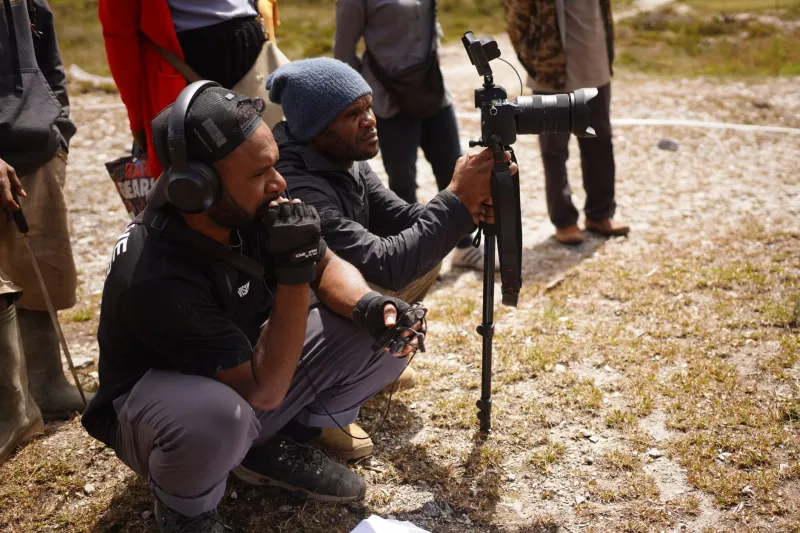
Behind-the-scenes content specifically has become its own premium category. Not behind-the-scenes as a teaser or a promotional tool, but as the primary offering — the actual texture of a creator's life and process treated as the main event. Fans pay for access to the unedited version, the one where the lighting is whatever it is and the conversation goes wherever it goes.
What 'Premium' Actually Means Now
The shift in what counts as luxury in adult content mirrors broader cultural movements. In food, the premium signal moved from fine dining formality toward chef's counter informality — the meal where you can see the kitchen, watch things being made, feel like a participant rather than an audience. In music, the live recording with all its imperfections often commands more emotional weight than the studio version. In visual art, the sketch sometimes sells for more than the finished piece.
In each case, the premium isn't about technical superiority. It's about access to process, presence, and the irreproducible quality of something that happened once and was caught rather than manufactured.
Adult content is landing in the same place. The subscription tiers that perform best for creators leaning into this aesthetic aren't the ones promising more content — they're the ones promising closer access. More real. Less curated. The chance to be present for something that feels genuinely unmediated.
The Craft Behind the Casualness
What separates the creators who've built sustainable premium brands around imperfection from those who just post unpolished content and wonder why it's not working? Intentionality. The best practitioners of this aesthetic understand exactly what they're doing and why. They know which imperfections to keep and which to cut. They understand how to frame casualness so it reads as intimacy rather than carelessness. They've developed a genuine voice that comes through even — especially — in the unscripted moments.
This is harder to teach than cinematography. Production technique is learnable from tutorials. The ability to be genuinely present on camera, to let real reactions land without performing them, to build trust with an audience through accumulated honesty — that's developed over time through something closer to actual self-knowledge than technical training.
At EroSta, we've watched this aesthetic become the defining mark of the creators building real longevity right now. Not the shiniest productions, but the ones where you feel like you're actually there. The rough cut, it turns out, is the premium product. And the audiences who've found it aren't going back to the polished version anytime soon.